Medical Marijuana and Tolerance Breaks: What You Need to Know
Over time as you use medical marijuana, you may notice that over time, your usual dose isn’t quite as effective as it used to be. This can be frustrating—especially when you rely on medical cannabis for daily relief. The reason might be something called tolerance, and the solution many people turn to is a tolerance break, or T-break.
As a medical marijuana patient, learn why modifying your use—rather than stopping entirely—might be a better fit for medical marijuana users.
What Is a Tolerance Break?
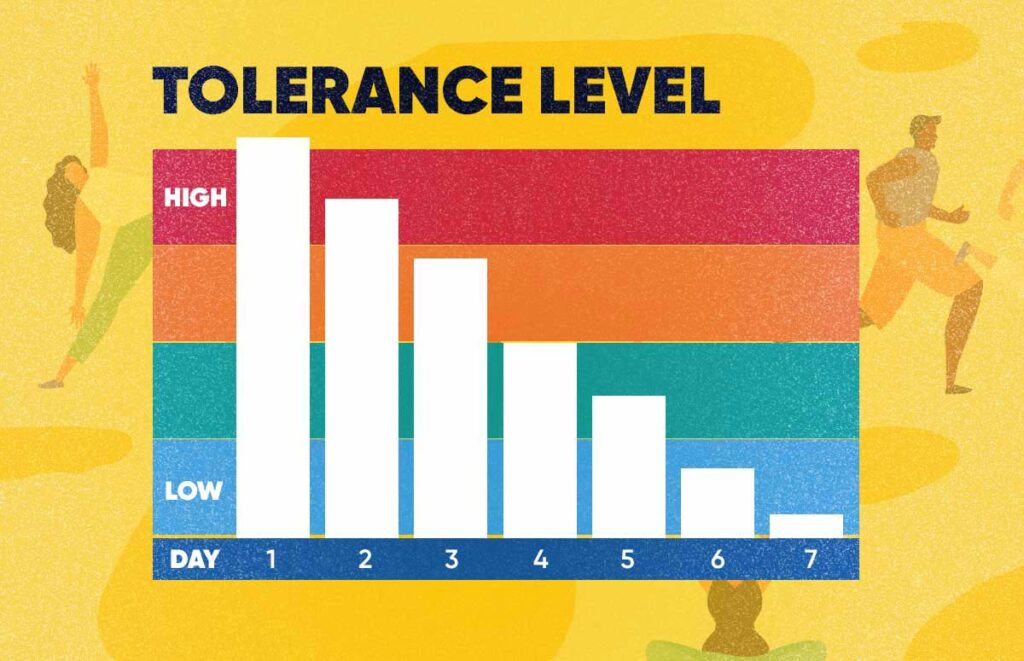
A tolerance break is a short period when you reduce or stop using medical marijuana to give your body a chance to reset its response to THC (tetrahydrocannabinol), the psychoactive compound in medical cannabis. Over time, regular medical cannabis use can cause your endocannabinoid system, particularly your CB1 receptors, to become less sensitive. This means you might need higher doses to get the same relief—also known as building a tolerance.
Taking a break helps restore receptor sensitivity, making lower doses more effective again.
Why Full T-Breaks Might Not Work for Medical Marijuana Patients
For recreational users, taking a few days or even weeks off may be inconvenient—but it’s often manageable. For medical users, it’s a different story.
If you’re treating conditions like:
-
Chronic pain
-
Anxiety or PTSD
-
Insomnia
-
Muscle spasms
-
Seizure disorders
-
Appetite loss
…stopping cannabis use completely, even for a few days, could negatively impact your quality of life or cause symptoms to flare up.
That’s why many patients benefit more from a modified tolerance break—one that focuses on reducing use, rather than stopping completely.
How to Do a Modified Tolerance Break
Here are a few ways to manage tolerance without fully stepping away from your medication:
1. Lower Your Dose
Try reducing your THC intake by 25–50%. Often, just scaling back can make a big difference in resetting your sensitivity.
2. Use High-CBD Products
CBD doesn’t build tolerance the way THC does, and it may help ease symptoms during your break. Switch to CBD-dominant strains or products for a few days.
3. Change Your Delivery Method
If you usually vape or smoke, try switching to edibles, tinctures, or capsules. Different delivery methods may affect tolerance differently.
4. Adjust Timing and Frequency
Try spacing out your doses more than usual—use medical cannabis only when symptoms are at their worst. This can help preserve its effectiveness long-term.
5. Choose Evening-Only Use
If possible, limit medical marijuana use to evenings or bedtime. This reduces your overall intake while still helping with sleep and end-of-day symptoms.
Benefits of Managing Tolerance with Medical Use in Mind
-
Regain effectiveness at lower doses
-
Avoid overuse and minimize side effects
-
Improve mental clarity and reduce dependency
-
Make your medical cannabis supply last longer
-
Tailor treatment to your body’s changing needs
What to Expect
Even with a reduced-use strategy, you may experience minor discomfort—especially if you’ve been using large doses of THC regularly. Some people notice changes in:
-
Mood or irritability
-
Sleep patterns
-
Appetite or cravings
-
Symptom sensitivity
These effects are usually temporary and mild. Within a few days to a week, your system often begins to reset—and you may find that lower doses work even better than before.
Always Talk to Your Healthcare Provider
Before making any changes to your medical marijuana routine, it’s important to consult with your primary healthcare provider. They can help you adjust your dosage safely and ensure that your underlying condition continues to be managed effectively.
Tolerance is a natural part of regular medical cannabis use—but it doesn’t mean your medicine has stopped working. With a thoughtful approach, you can reduce your tolerance without sacrificing symptom relief. Whether that means cutting back, switching strains, or spacing out doses, the goal is to help your medical marijuana work better for you—not take it away entirely.
Are you interested in getting a medical marijuana card, consult your primary care physician then schedule an appointment here!