Mississippi Cannabis Testing Standards: What Labs Test For & Why It Matters
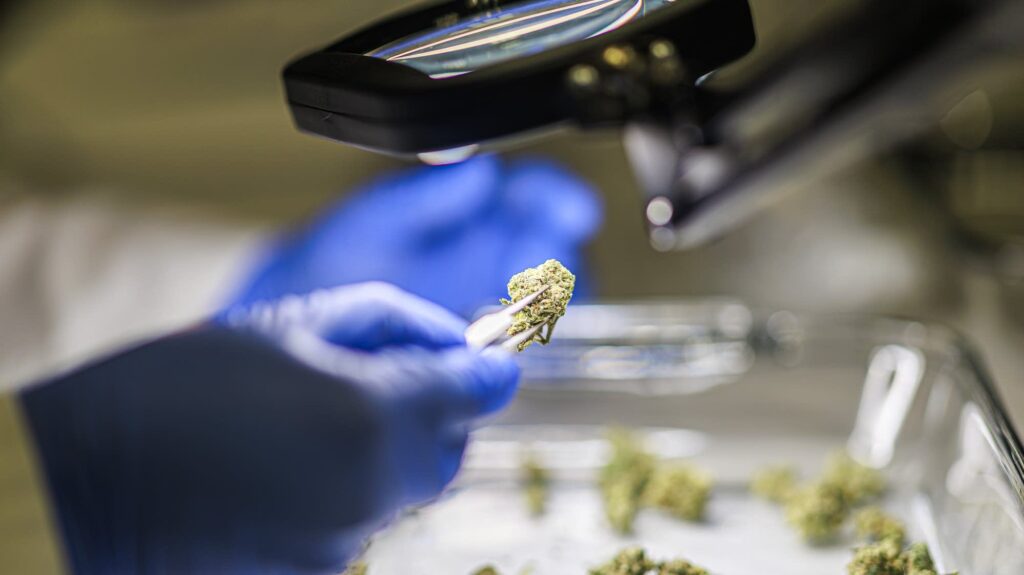
As Mississippi’s medical cannabis program continues to grow, one of the most important—and least understood—parts of the process happens long before a product ever reaches a dispensary shelf: state-required laboratory testing. These tests ensure that every batch of medical marijuana is safe, accurately labeled, and consistent.
For patients, understanding what labs test for—and what happens when a product fails—can help you make more informed decisions about the medicine you use.
Why Testing Matters for Mississippi Patients
Testing is far more than a regulatory requirement. It protects patients by ensuring that each product:
-
Is free from harmful contaminants
-
Contains the THC and CBD levels listed on the label
-
Has been grown and processed in clean, controlled conditions
-
Is safe for patients with weakened immune systems or chronic conditions
Mississippi’s medical cannabis laws are designed to maintain strict standards similar to pharmaceutical-grade testing—something especially important in a medical-only state.
What Mississippi Cannabis Labs Test For
1. Potency (THC, CBD, and Other Cannabinoids)
Labs measure:
-
Total THC
-
Total CBD
-
Minor cannabinoids (CBG, CBN, CBC, etc.)
Why it matters:
- Accurate potency ensures you know exactly how strong a product is so you can dose consistently. Too much THC can lead to anxiety, dizziness, or impaired motor function—while too little may not provide the relief you need.
2. Terpenes
Some labs also provide terpene profiles. Terpenes influence:
-
The product’s aroma and flavor
-
Effects such as relaxation, focus, energy, or pain relief
Why it matters:
- A full profile helps patients choose strains based on effects, not just THC%.
3. Microbial Contaminants
This includes:
-
Mold
-
Yeast
-
E. coli
-
Salmonella
-
Aspergillus (extremely dangerous for immunocompromised patients)
Why it matters:
- Unseen microbial contamination can cause respiratory issues, infections, and severe illness—especially for older adults or patients undergoing treatment that weakens the immune system.
4. Heavy Metals
Medical marijuana is a bioaccumulator, meaning it can absorb metals from soil, water, or fertilizers. Testing checks for:
-
Lead
-
Mercury
-
Arsenic
-
Cadmium
Why it matters:
- Heavy metals can cause neurological damage or organ toxicity over time.
5. Pesticides
Mississippi limits which pesticides can be used during cultivation. Labs verify:
-
No illegal or harmful pesticides
-
Residues stay within safe limits
Why it matters:
- Some pesticides can cause nausea, headaches, and long-term health risks when inhaled or consumed.
6. Residual Solvents (for Concentrates)
Concentrates must be tested for leftover extraction solvents such as:
-
Butane
-
Propane
-
Ethanol
Why it matters:
- Excess solvents can irritate the lungs, cause headaches, or lead to long-term health effects.
How You Can Use This Information
As a medical cannabis patient in Mississippi, testing protects your health—but knowing how to read a Certificate of Analysis (COA) can help you take control of your wellness.
When reviewing lab results, look for:
-
THC/CBD potency – does it match the label?
-
Terpenes – do they match the effects you want?
-
Pass/fail marks on contamination tests
-
Batch numbers that match your purchased product
Mississippi’s strict cannabis testing standards exist for a reason: to protect patients and guarantee clean, consistent medical products. Understanding what labs test for—and what happens when a product fails—empowers you to make better decisions about your treatment.
If you’re interested in starting the medical marijuna card process, click here to get started!