Understanding Medical Marijuana Labels: How to Read THC and CBD Percentages
If you’ve ever looked at a medical cannabis product label and felt confused, you’re not alone. With terms like THC, CBD, total cannabinoids, and ratios, understanding what it all means can be overwhelming—especially when you’re trying to choose the right product for your medical needs. Knowing how to read these labels can help you make better decisions and avoid unwanted effects.
What Does THC Percentage Really Mean?
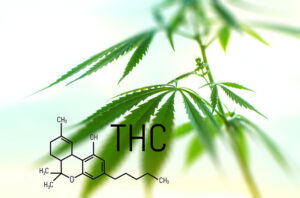
THC, or tetrahydrocannabinol, is the main psychoactive compound in medical marijuana —the part responsible for the “high.” On a medical marijuana product label, THC percentage refers to the amount of THC relative to the total weight of the product. For example:
-
A flower labeled 20% THC means 20 grams of THC per 100 grams of flower.
-
For concentrates, which are far more potent, THC percentages can range from 60% to over 90%.
How THC Percentage Impacts Strength and Effects
Higher THC percentages generally produce stronger psychoactive effects. Here’s a general breakdown of flower potency:
-
Low THC (10–15%): Mild effects, often recommended for beginners or those sensitive to THC. Mild euphoria, good for relaxation.
-
Moderate THC (15–20%): Stronger effects, suitable for regular users. Noticeable euphoria, more body effects, suitable for stress or pain relief.
-
High THC (20–30%; 60%+ in Concentrates): Very potent, best for experienced users seeking significant effects. Intense psychoactive effects that can cause couch-lock, heightened sensory perception, or—if you take too much—feelings of anxiety or paranoia.
But remember: higher THC doesn’t always mean a better experience. The effects depend on your tolerance, the strain’s terpene profile, and how you consume it.
CBD Percentage: Why It Matters
CBD, or cannabidiol, is a non-intoxicating compound with therapeutic benefits like reducing inflammation and anxiety. Products with higher CBD levels often help balance THC’s psychoactive effects.
-
High-CBD products (10% CBD or more): Provide relaxation and pain relief without much of a “high.”
-
Balanced ratios (1:1 THC:CBD): Popular for medical use, offering mild psychoactive effects and therapeutic relief.
-
Low CBD / High THC products: More likely to cause intense euphoria—or in some cases, anxiety—if consumed in large amounts.
Flower vs. Concentrates: A Big Difference in THC
When looking at THC percentages, it’s important to note that not all medical marijuana products are created equal. Flower typically ranges between 10% and 30% THC, but concentrates (like shatter, wax, and oils) can be two to three times stronger, often testing at 60–90% THC.
This means:
-
A small dab of concentrate can equal several inhalations of flower.
-
Consuming concentrates requires more caution because the risk of overconsumption—and an uncomfortable high—is much higher.
Why Understanding Percentages Matters
If you’re using medical marijuana, choosing the right THC and CBD balance is crucial for your treatment plan. Here’s why:
-
Too much THC can increase anxiety or rapid heart rate in sensitive users.
-
Too little THC may not provide enough relief for severe symptoms.
-
CBD can counterbalance THC, helping reduce side effects like paranoia.
Always start low and go slow, especially when trying a new product or consumption method.
Tips for Reading Cannabis Labels
-
Check THC and CBD percentages separately: A product labeled 20% THC and 1% CBD will feel very different from a 10% THC, 10% CBD product.
-
Understand serving sizes for edibles: 10 mg of THC is considered a standard dose, but beginners should start with 2.5–5 mg.
-
Look at the terpene profile: Terpenes influence effects too—like whether a strain feels relaxing or energizing.
Key Takeaways
-
THC percentage = potency: Higher THC means stronger effects but also a higher risk of overconsumption.
-
CBD helps balance THC: Consider your goals—whether you want symptom relief without a strong high, or more noticeable psychoactive effects.
-
Concentrates are much stronger than flower: A little goes a long way, so dose carefully.
-
Your experience depends on more than just numbers: Tolerance, method of consumption, and terpenes all play a role.
If you or someone you know is looking to relieve negative symptoms associated with qualifying conditions for a medical marijuana card, click here to get started!